
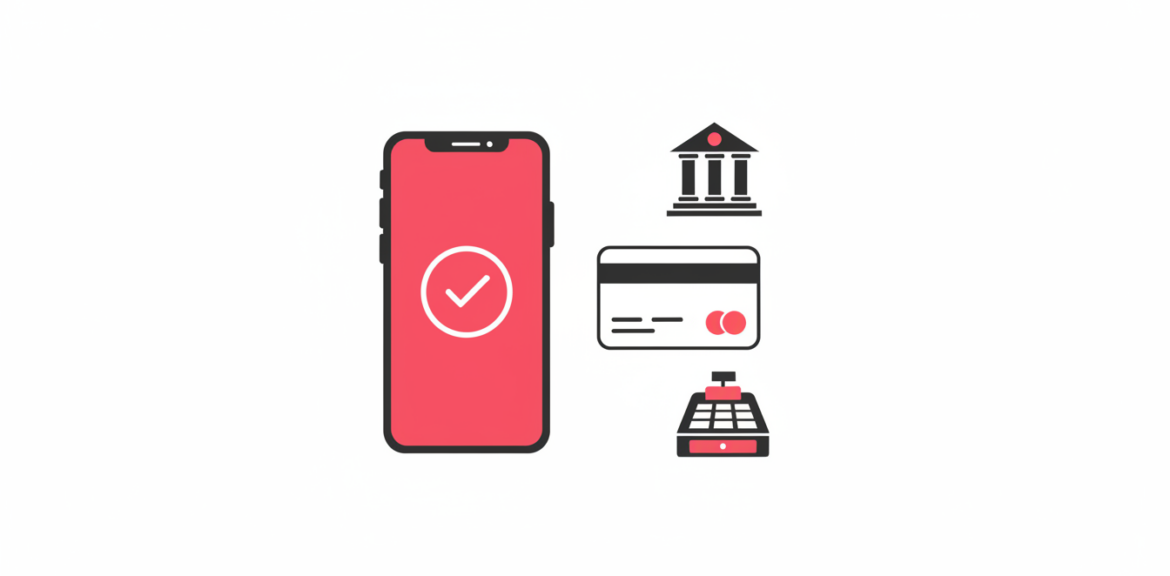

If customers cannot pay the way they prefer, many of them simply will not pay. Choosing your payment methods is one of the most important decisions for any online business in Kenya. Here is how the main options compare, and how to pick the right mix.
Quick answer
For most Kenyan businesses, M-Pesa should be your first payment method because it is how most customers already pay. Add card payments if you sell to customers abroad or to people who prefer cards, and offer bank transfers for larger or business-to-business orders.
In this guide
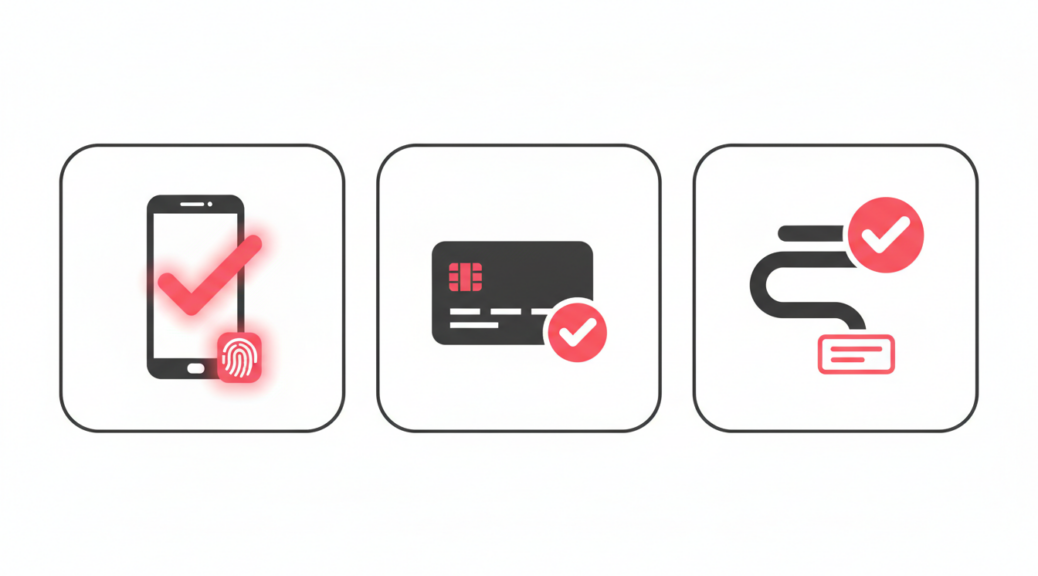
M-Pesa
Mobile money is the everyday payment method for many Kenyans. On a website or app, the customer typically receives a prompt on their phone and approves the payment with their PIN, and your system is notified automatically.
- Best for: local customers, retail, services, deliveries and subscriptions.
- Strengths: familiar, fast and trusted by customers.
- Watch out for: it needs a properly built integration, secure callbacks and reconciliation. Our M-Pesa integration guide walks through the steps.
Card Payments
Card payments are usually handled through a payment gateway, a service that securely processes the card details so they never touch your own server.
- Best for: international customers, travellers, online-only brands and higher-value purchases.
- Strengths: works across borders and suits customers who do not use mobile money.
- Watch out for: gateway fees, setup requirements and settlement times vary by provider, so compare them before you commit.
Bank Transfers
Bank transfers suit situations where the amount is large or the buyer is another business. They are simple to offer but slower to confirm.
- Best for: business-to-business sales, invoices and large orders.
- Strengths: familiar to finance teams and good for bigger amounts.
- Watch out for: confirmation is often manual, which delays orders and invites mistakes. Use clear payment references so each transfer can be matched to the right order.
How to Choose Your Mix
- Start with your customers. Ask how they already pay you today.
- Add methods only when they serve real demand. Every method adds setup, testing and support work.
- Compare total costs, including fees, setup and the staff time spent confirming payments.
- Automate confirmation. The less your team checks manually, the fewer errors you will have.
- Test the whole journey on a phone, from cart to confirmation message.
Tip: a payment option nobody can find is no option at all. Show the accepted payment methods clearly on your product pages and checkout.
Frequently Asked Questions
Can I accept all three payment methods on one website?
Yes. Many online shops offer M-Pesa, cards and bank transfer at checkout. A well-built checkout lets customers choose and records every payment against the right order.
Do I need a plugin or a custom integration?
A plugin is quick for a simple online shop. A custom integration makes sense when payments connect to your own systems, such as a POS, booking platform or mobile app. Our guide on custom software vs off-the-shelf helps you decide.
Is it safe to take card payments on my site?
It is, when you use a reputable payment gateway that handles card details for you, serve your site over HTTPS and keep your software updated. See our tips on protecting your website.
Need Payments Set Up Properly?
Mbivu Tech builds secure payment integrations for websites, apps and POS systems in Kenya.


